Signs Your Pipes Need Replacing
One leak is a repair. A pattern of leaks is a warning. These signs usually mean the whole system is aging out.
- Rust-colored or brown water at the tap, especially after the water sits.
- Weak pressure at several fixtures even though the supply is good.
- Pinhole leaks that keep appearing in different places.
- Green or white crust on copper joints and fittings.
- Visible corrosion on galvanized steel pipe.
- Wall or ceiling stains that return after a repair.
Pipe Materials We See In Older Homes
Age and material tell us what to expect. The table covers the common materials in older Cape homes.
| Material | Typical problem | What it means |
|---|---|---|
| Galvanized steel | Internal rust narrows the pipe | Low pressure, discolored water and eventual leaks |
| Copper | Pinholes and joint failure | Often repairable, but repeated leaks suggest replacement |
| Polybutylene | Fittings that degrade and fail | A known failure risk, replacement is commonly recommended |
| Lead service or solder | Older homes may have lead components | Ask about testing and replacing suspect parts |
PEX Or Copper
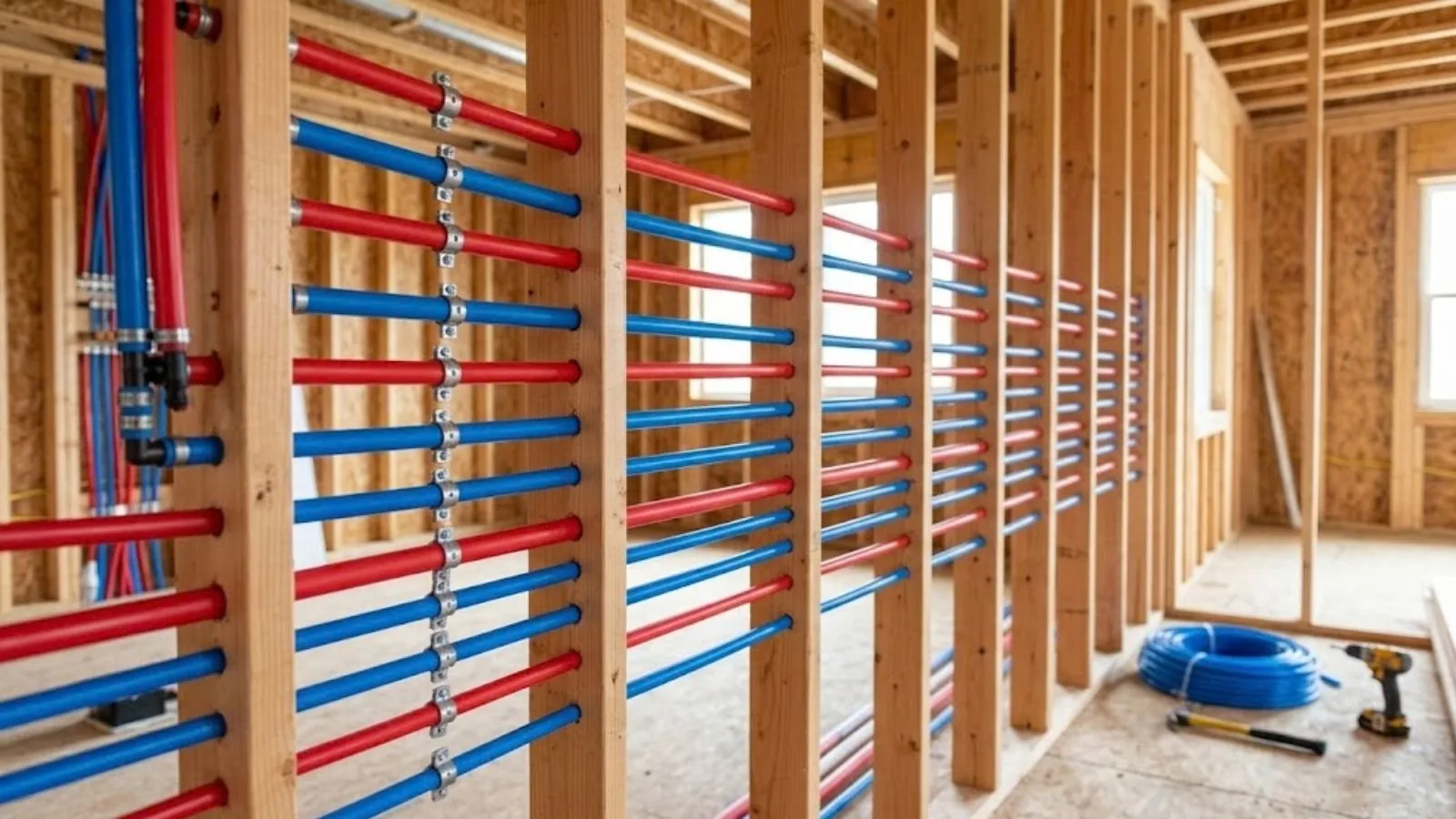
PEX is flexible plastic tubing that threads through walls with fewer cuts. That usually means less drywall damage and a faster job. It handles freeze expansion better than rigid pipe, which matters in cold New England winters.
Copper is durable and familiar and some owners prefer it for exposed runs. It costs more in materials and labor. We explain both and recommend the better match for your layout and budget instead of pushing one type for every house.
How A Repipe Works
A good repipe is planned so you are not without water longer than necessary.
Survey
We trace the existing lines, locate the main shutoff and decide the best route for new pipe.
Access
We open small access points in walls, floors or ceilings and protect the rooms we work in.
Replace
New lines go in, fixtures are reconnected and the old pipe is abandoned or removed.
Test and patch
We pressure test every joint before closing anything up, then restore access points.
Permits And Inspections
A repipe is major plumbing work. In Massachusetts it needs a permit pulled by a licensed plumber and an inspection when the work is done. Sandwich's Building Department handles plumbing inspections, so ask them for the current steps for your address.
We follow the state plumbing code, 248 CMR 10.00, and we handle the permit and the inspection scheduling for our work. You can verify any plumber's license through the state's eLIPSE portal.
Repair Or Replace
Not every leaking pipe means a whole-house repipe. If the system is sound and only one section failed, we repair it. When leaks are frequent, the pipe is brittle or the water is discolored throughout the house, replacement saves repeated repair costs and water damage.
If you are not sure, start with leak detection so we know exactly where and why the water is escaping. For homes that mostly need new supply from the street, see water service line replacement.
What Drives The Price Of A Repipe
What shapes the price
A repipe is one of the larger plumbing projects, so we give you a clear price before work starts and explain what is inside it.
House size
More bathrooms, more fixtures and more floors mean more pipe and more connections.
Access
Open basements and crawl spaces are quick. Finished walls and slab foundations take more time.
Material choice
PEX and copper differ in material cost and labor hours.
Drywall restoration
Access openings need patching, which is a separate trade in some homes.
Permits and inspection
Required for this work and part of the price.
A note on insurance
If a burst pipe or a leak caused damage, some homeowner policies cover the water damage but not the pipe itself. Check your policy before you decide.
Frequently asked questions
Many homes take a few days. Larger homes, finished walls and access difficulties add time. We give you a schedule when we price the job.
Not usually. We work in stages and restore water at the end of each day where possible.
Yes. PEX approved for potable water is widely used and meets plumbing code when installed correctly.
No. A single leak in otherwise good pipe is usually a repair. We look at the pattern before recommending a repipe.
Some access openings are usually needed. PEX often means smaller and fewer openings than rigid pipe.
Some insurers care about pipe materials, especially polybutylene. Ask your insurer about their requirements.
Still have a question about your situation? The line is open around the clock.
Call (508) 389-4045Standards note: whole-house repiping is permitted plumbing work under 248 CMR 10.00. The state standard governs approved pipe materials and installation methods.