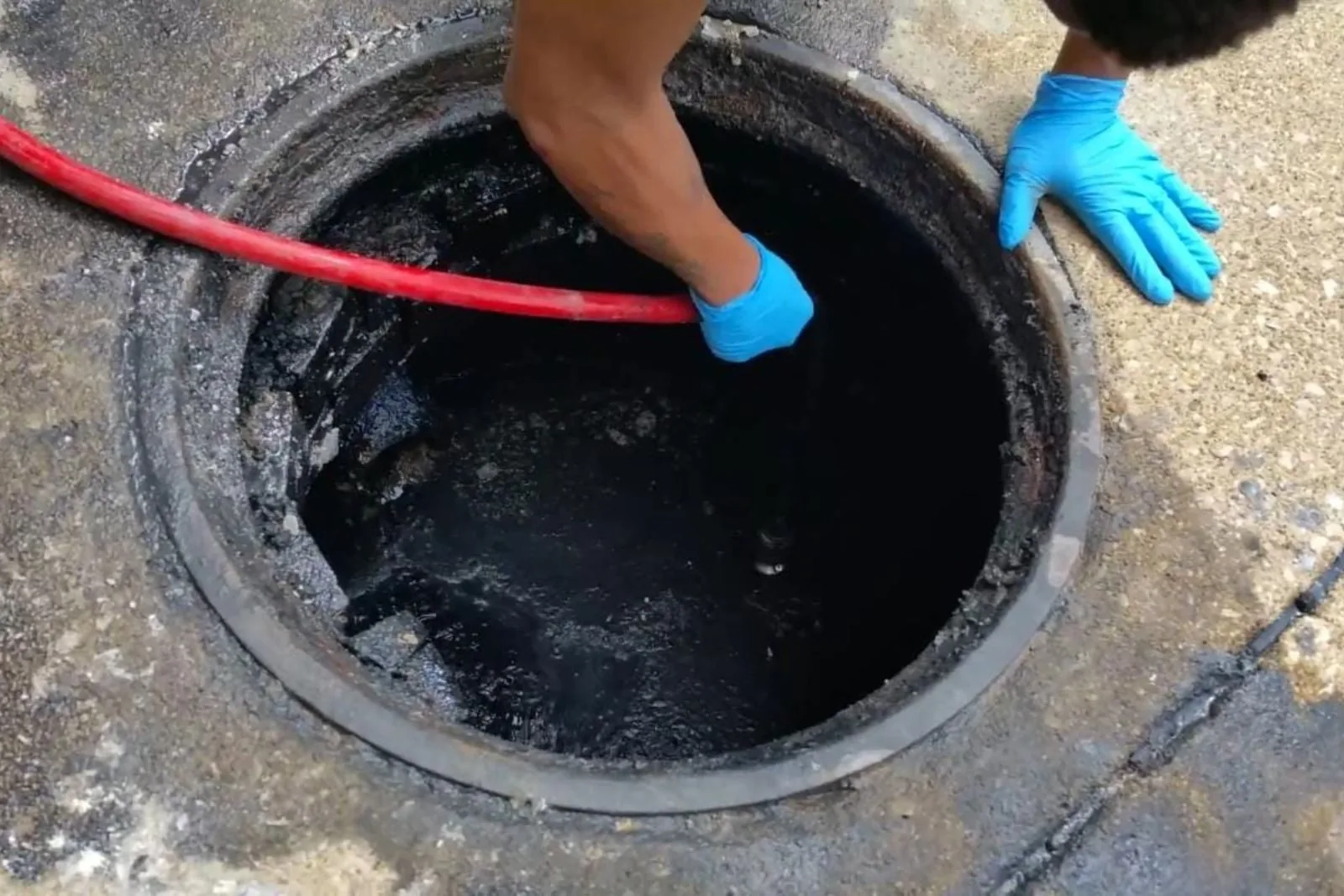
The short answer on sewer line cleaning frequency
If you want a number, most homes with healthy pipes and no history of backups do fine with a camera check or a cleaning every year or two. Homes with older clay or cast iron pipe, big trees close to the line, or a past backup should plan on a shorter interval, often every six to twelve months.
That range is wide because a sewer line is not a maintenance part like an oil filter. It is buried plumbing that fails slowly, then suddenly. The schedule depends on what is happening in the pipe, and the only way to know is to look.
Before you plan a schedule, find out what you have
On the Upper Cape, some homes connect to a town sewer and many do not. Homes on a septic system have no sewer line that runs to the street, so the question changes completely. The line that leaves your house runs to a tank and leaching field, and the maintenance that matters is the tank, not a municipal main.
Sandwich does not state sewer availability on its public Health Department page, so the answer for your street has to come from the Health Department directly. Ask before you book any work, because a cleaning plan for a sewer connected home is not the same as a plan for a Title 5 septic system.
What changes how often a line needs cleaning
Age and material come first. Cast iron scales and roughens inside, clay joints let roots in, and older plastic pipe can sag in loose soil and hold water. Once the surface is rough or a joint is open, debris catches and builds.
| Factor | Why it matters | Typical schedule effect |
|---|---|---|
| Trees and shrubs near the line | Roots seek water and enter joints | Shorter interval, often yearly |
| Cast iron or clay pipe | Rough walls and open joints catch debris | Shorter interval, camera check advised |
| Heavy kitchen use | Grease and food solids coat the pipe | Shorter interval if grease goes down the drain |
| Large household or rental use | More flow, more wipes and paper | Every year or sooner |
| Newer plastic pipe, no trees | Smooth walls and tight joints | Every two years or when symptoms appear |
Warning signs your line needs attention now
Do not wait for a calendar if the house is giving signals. A single slow sink is usually a local clog. Several fixtures slowing together, or gurgling in one drain when another runs, is the classic pattern for a main line problem.
Gurgling and bubbles
Air pushed back through a trap when water moves elsewhere often means the main is restricted.
Multiple slow drains
Tub, toilet and a sink on different branches all draining poorly points to the shared line.
Sewage odor
A persistent smell near a floor drain, in the yard or in the basement is a reason to call.
Water at the lowest drain
Backups first show at the lowest opening, often a basement floor drain or a first floor tub.
A backup is already happening?
Stop using water, keep the area clear and call the line. A plumber can talk you through what to avoid while help is on the way.
Cleaning methods and how they differ
A cable machine, often called a snake, bores through a blockage. It restores flow, but it can leave a rough, narrow channel along the pipe wall where grease still clings. Hydro jetting uses high pressure water to scour the walls themselves and is the better choice when grease or roots are the pattern.
A camera inspection is not a cleaning method, but it makes cleaning smarter. It shows whether the problem is a soft clog, a root mass, a belly in the pipe or a break, and that decides whether you need a cleaning at all or a repair. Read more on how hydro jetting works, or see our sewer inspection service for the camera side.
Habits that stretch the time between cleanings
Never pour cooking grease down any drain, even with hot water. It cools and sticks further downstream. Wipes labelled flushable do not break down like paper. Keep them out of the toilet, and keep paper towels out too.
If trees sit near the line, ask a plumber for a root check, and plan on a cleaning before the roots gain ground. Trimming above ground does not stop roots below.
Sandwich specifics: sewer or septic, and who to ask
The Sandwich Health Department has a Water and Wastewater section, and that is where to ask whether your street has sewer or whether your home is on a Title 5 septic system. Title 5 is the state's septic regulation, 310 CMR 15.000, and it requires inspection under certain circumstances.
Cape Cod sits on a sole source aquifer, which the Cape Cod Commission describes as the source of all of the Cape's drinking water. That is why wastewater handling is taken seriously here, and why a leaking or neglected line is not just your problem. If you are planning work near a septic tank or leaching field, ask the Health Department before you dig.
Sources: Town of Sandwich Health Department and Cape Cod Commission.
What a cleaning visit looks like
A typical visit starts with finding the cleanout, the capped fitting where the house line can be reached. Many homes have one in the basement, crawl space or yard. If there is none, a plumber may need to work through a toilet, which takes longer and carries more risk of mess.
After the line is cleared, a good plumber runs a camera through it to confirm the result. You should see clean pipe walls and an even slope. If you do not, ask what the footage shows before you agree to anything more.
A practical schedule you can follow
Build your plan around what you learn from the first camera check. If the pipe is clean and sound, check again in two years. If you see roots or scale, clean and re-check in a year. If you see a belly or a break, plan a repair, because cleaning a broken pipe only delays the problem.
Neighbors in Bourne and Barnstable will have a different mix of sewer and septic, but the habits are the same. Call a licensed plumber if you are unsure, and keep any camera footage so you can compare year to year.
Frequently asked questions
Many homes with healthy pipes do well every one to two years. Older pipe, nearby trees or past backups usually call for a shorter interval.
Sandwich does not publish this on its Health Department page. Contact the Health Department to ask whether your street has sewer or a Title 5 septic system.
Yes, because it shows whether you have a soft clog, roots, a belly or a break. That decides whether you need cleaning or repair.
Chemical cleaners rarely reach the main and can be harsh on old pipe. A plumber's cable or jetting equipment is the reliable approach.
Stop running water and call. A backup is an emergency because it can put sewage in your living space.
Cape Cod draws all its drinking water from one aquifer, so wastewater problems carry more weight. Ask the Health Department before any dig near a tank or field.
Still have a question about your situation? The line is open around the clock.
Call (508) 389-4045Reference: according to the state, septic systems follow Title 5 (310 CMR 15.000), while house sewer lines follow 248 CMR 10.00. The Town of Sandwich can tell you which applies.